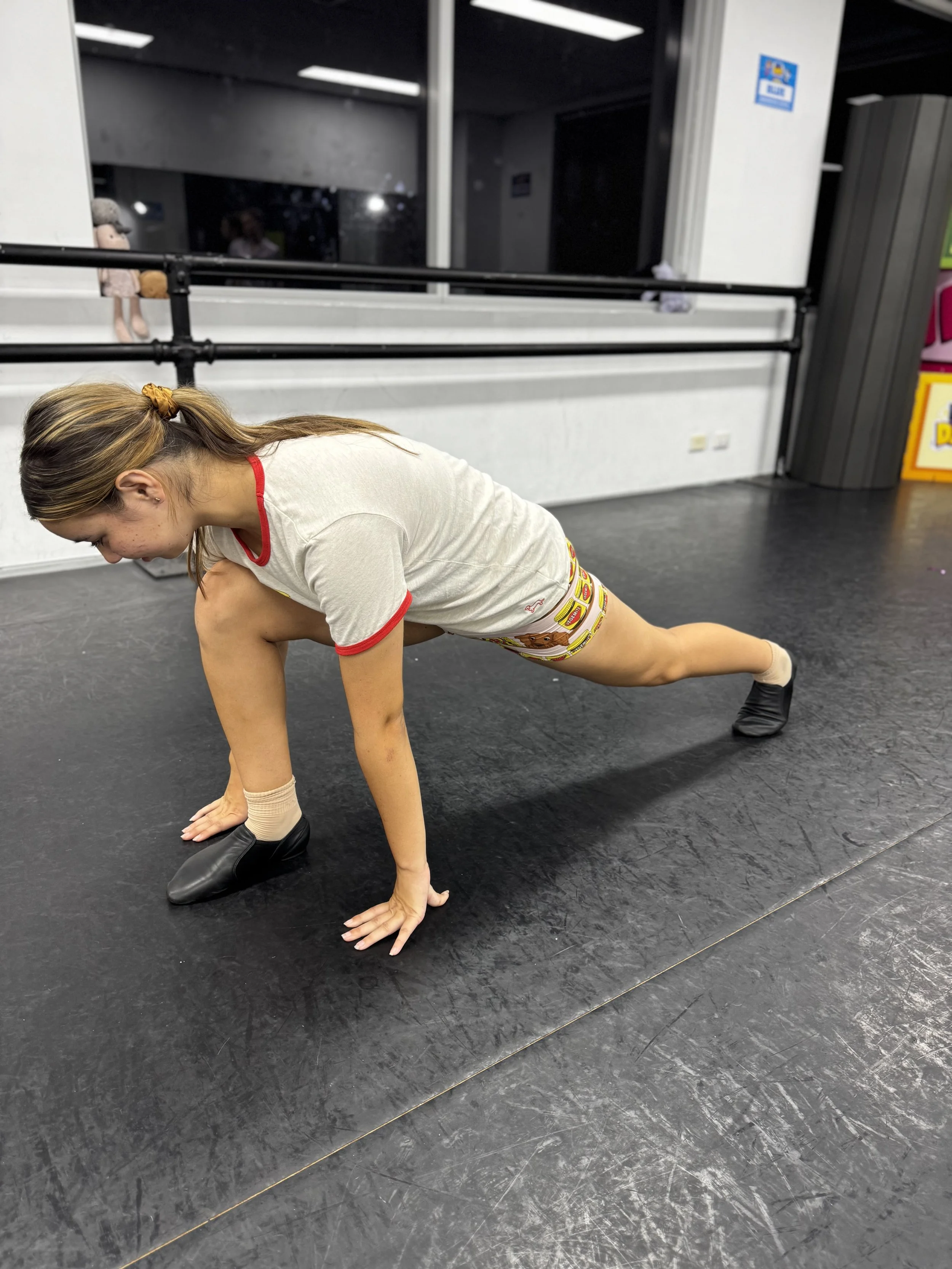
Is Dance Just a Hobby? Here’s What It Actually Does to Your Child’s Brain
It’s easy to see dance as just an activity.
Something fun. Something social. Something to fill the week.
That’s part of it.
What’s often missed is what dance is doing behind the scenes.
Because every class is shaping how a child’s brain develops.
It Builds Stronger Memory and Focus
Dance is built on remembering.
Steps. Sequences. Timing. Direction.
Children are constantly processing and recalling information.
Over time, this strengthens memory.
It also improves focus.
They learn to listen carefully, follow instructions, and stay engaged for longer periods.
These are skills that carry straight into school.
It Improves Coordination and Body Awareness
Dance requires the brain and body to work together.
Movements need to be controlled, timed, and intentional.
This builds coordination.
It also develops spatial awareness.
Understanding where their body is, how it moves, and how it fits within a group.
That awareness supports everything from sports to everyday movement.
It Strengthens Problem Solving Skills
Learning choreography isn’t just physical.
It’s mental.
Kids are constantly figuring things out.
What comes next.
How to fix a mistake.
How to adjust their timing.
This kind of thinking builds problem solving ability in a practical way.
It Encourages Emotional Expression
Not all learning is academic.
Dance gives children a way to express emotions without needing words.
They learn how to connect movement with feeling.
That builds emotional awareness.
It also helps with confidence in expressing themselves in other areas of life.
It Develops Social Intelligence
Dance classes are shared environments.
Kids learn how to interact, take turns, and work as part of a group.
They read cues from teachers and other students.
They adjust their behaviour based on the environment.
These are key social skills.
It Builds Resilience
Things don’t always go right in dance.
Steps get missed.
Timing feels off.
Routines take time to learn.
Kids learn to keep going anyway.
They understand that improvement takes practice.
That mindset builds resilience.
It Connects Movement With Music
Dance trains the brain to respond to rhythm and sound.
Children learn timing, musicality, and pattern recognition.
These are cognitive skills that support learning in other areas, including language and maths.
It Boosts Confidence Through Achievement
Each small improvement builds confidence.
Remembering a routine.
Performing in front of others.
Trying something new and succeeding.
These moments reinforce a sense of capability.
Confidence grows from doing, not just being told.
It Creates Positive Learning Associations
When learning is enjoyable, it sticks.
Dance combines structure with engagement.
Kids associate effort with a positive experience.
That mindset carries into other areas of learning.
So Is Dance Just a Hobby
It can look that way on the surface.
In reality, it’s developing memory, coordination, social skills, emotional awareness, and confidence all at once.
All through movement.
Because the Impact Goes Beyond the Studio
What children learn in dance shows up everywhere.
In school. In friendships. In how they see themselves.
At BPA, that’s the bigger picture.
Dance is the tool.
Development is the outcome.