
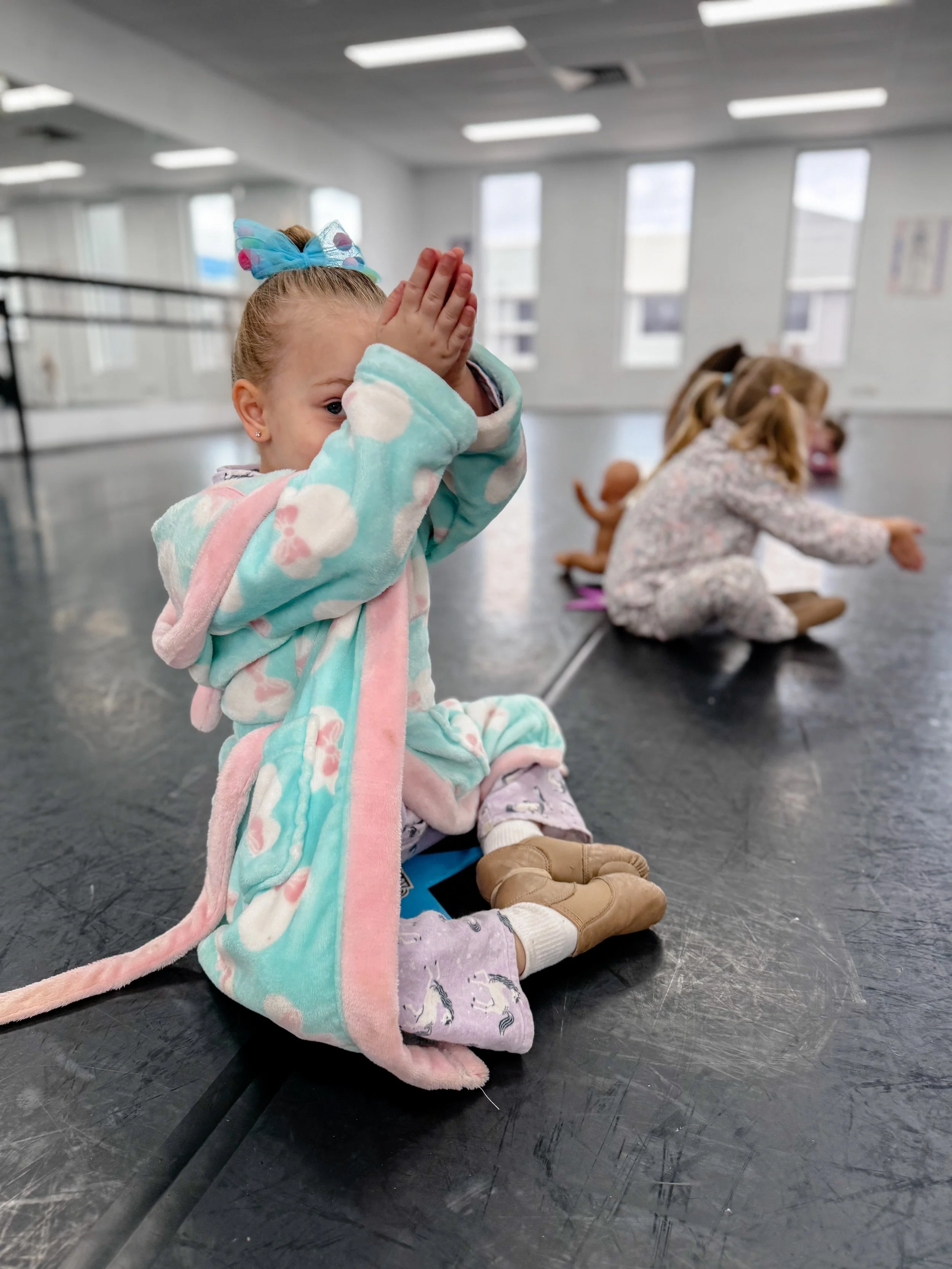
Moving from preschool into big school is a huge milestone.
And for little dancers, their dance classes start growing up with them too.
If your child has spent their preschool years dancing at BPA, you might be wondering what happens when they're ready to move out of preschool dance and into school-aged classes.
Will it suddenly become serious?
Do they need to pick a dance style?
Will they have a different teacher?
What if they're not ready?
Here's what families can expect.
WHY DO DANCE CLASSES CHANGE AS CHILDREN GET OLDER?
A three-year-old and a seven-year-old learn very differently.
Preschool dance uses activities, music, repetition and imaginative learning designed specifically for younger children.
As dancers grow, their ability to concentrate, remember choreography, understand corrections and control their bodies develops too.
Their dance classes can gradually become more structured and style-specific.
This allows dancers to begin developing their technique while still enjoying the reason they started in the first place: they love to dance.
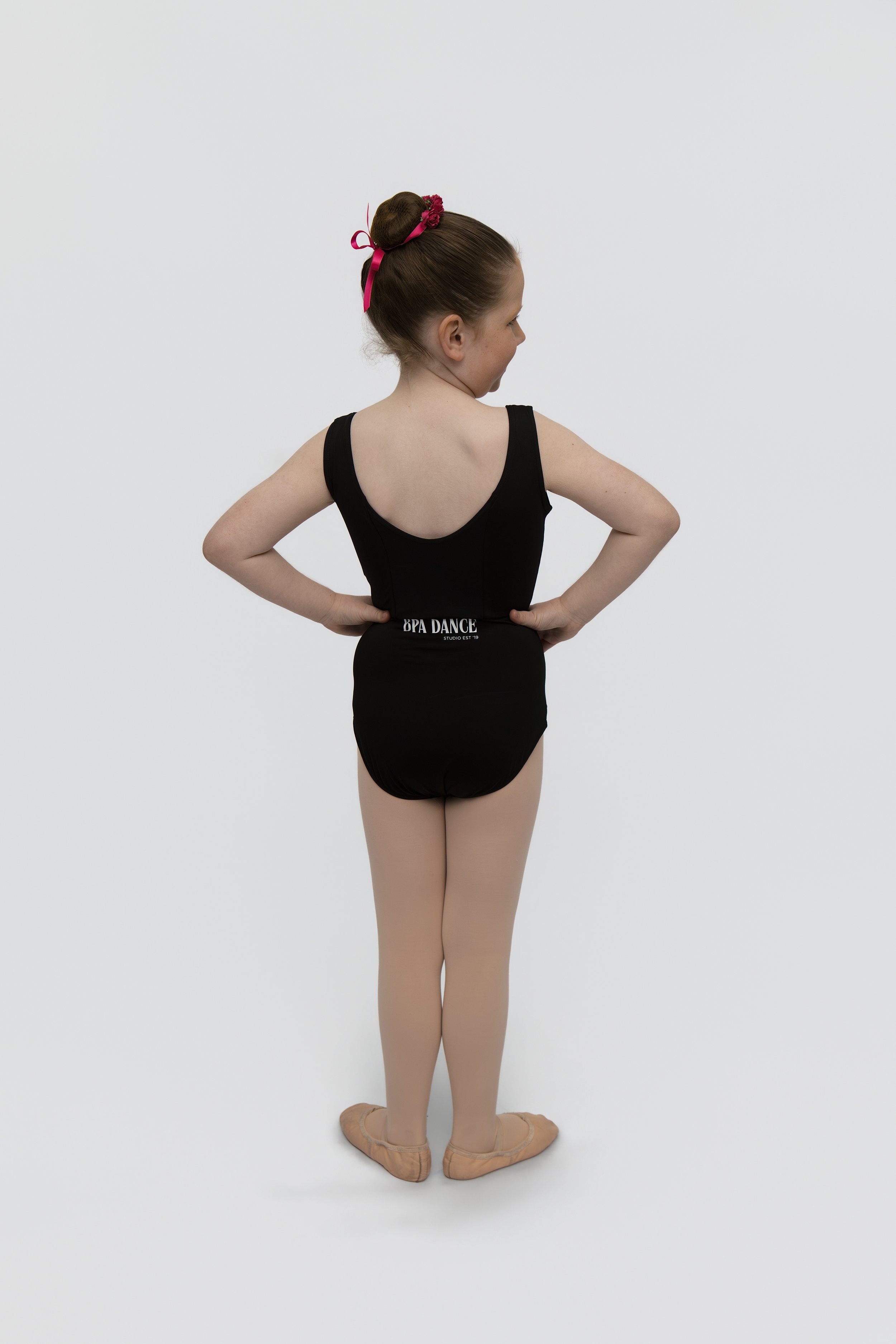
THEY MAY HAVE MORE STYLES TO CHOOSE FROM
One of the exciting parts of moving into school-aged dance is having more opportunities to discover individual styles.
Depending on their age, level and the BPA timetable, dancers may have opportunities to explore styles such as:
Ballet.
Jazz.
Tap.
Hip hop.
Acro.
For some children, choosing is easy.
They've been talking about a particular style for months.
Others want to do everything.
And some genuinely have no idea.
That's completely normal.
The BPA team can help families work through the available options and determine an appropriate combination.
CLASSES BECOME MORE STRUCTURED
School-aged dancers are ready for a different type of learning.
There is still fun.
There are still friendships.
There is still plenty of excitement.
But teachers can begin expecting dancers to remember more, listen to corrections, practise technique and take greater responsibility for their learning.
That doesn't mean a six-year-old suddenly needs to behave like a professional dancer.
They're still children.
The expectations simply grow with them.
TECHNIQUE STARTS BECOMING MORE IMPORTANT
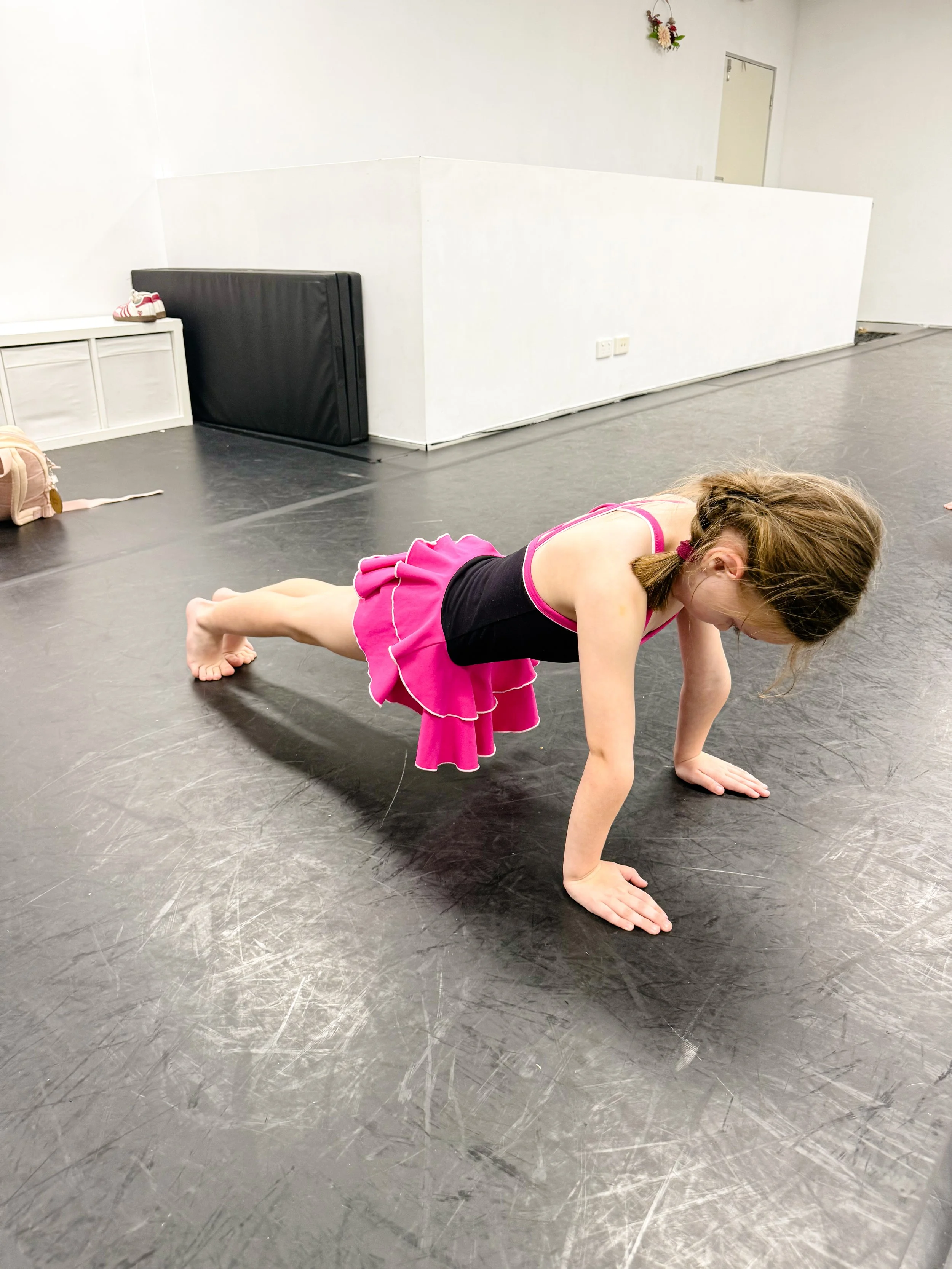
As children move into individual dance styles, they'll begin learning more of the technical foundations behind what they're doing.
Instead of simply copying a movement, they're gradually learning how to perform it correctly.
This matters because dance skills build on one another.
The exciting turns, jumps, routines and tricks dancers want to learn later rely on foundations developed over time.
WHAT IF MY CHILD ISN'T THE STRONGEST DANCER IN THEIR GROUP?
They don't need to be.
Children develop at different rates.
Some dancers pick up choreography quickly.
Some have natural flexibility.
Some develop beautiful musicality.
Some need more repetition before something clicks.
Moving into school-aged classes isn't about proving your child is already an amazing dancer.
It's about putting them into an environment where they can continue learning.
WHAT IF THEY'RE NERVOUS ABOUT MOVING UP?
That's understandable.
They might have loved their preschool teacher.
They know their current routine.
They know exactly what happens when they arrive.
Then suddenly we're talking about new classes and bigger kids.
Parents can help by talking about the transition positively without creating pressure.
Instead of, "Your new class is going to be much harder," try talking about the exciting things they'll get to learn now that they're getting older.
And if you have concerns about the transition, talk to us.
SHOULD THEY DO MORE THAN ONE CLASS?
This depends on the child and family.
Some school-aged dancers are happiest doing one class each week.
Others discover that dance has become their main activity and want to explore multiple styles.
There isn't one weekly schedule that every dancer needs to follow.
If your child wants to increase their training, the BPA team can help recommend classes that work well together.
THEY'RE NOT STARTING AGAIN
Moving out of preschool dance doesn't erase everything they've already learned.
Those early years have introduced them to music, movement, teachers, class routines, performance and being part of a dance studio.
Now they're building on those experiences.
The class looks different because they're different.
They're growing.
FROM PRESCHOOL DANCE TO SCHOOL-AGED DANCE AT BPA
BPA Dance Studio supports dancers from their early movement experiences through preschool and into school-aged dance classes.
For families preparing for the transition in 2027, you don't need to work out the next step alone.
We'll help you understand your dancer's age group, available classes and appropriate progression.
Is your little dancer moving into school-aged classes in 2027? Speak with the BPA team about their next step and class options.
