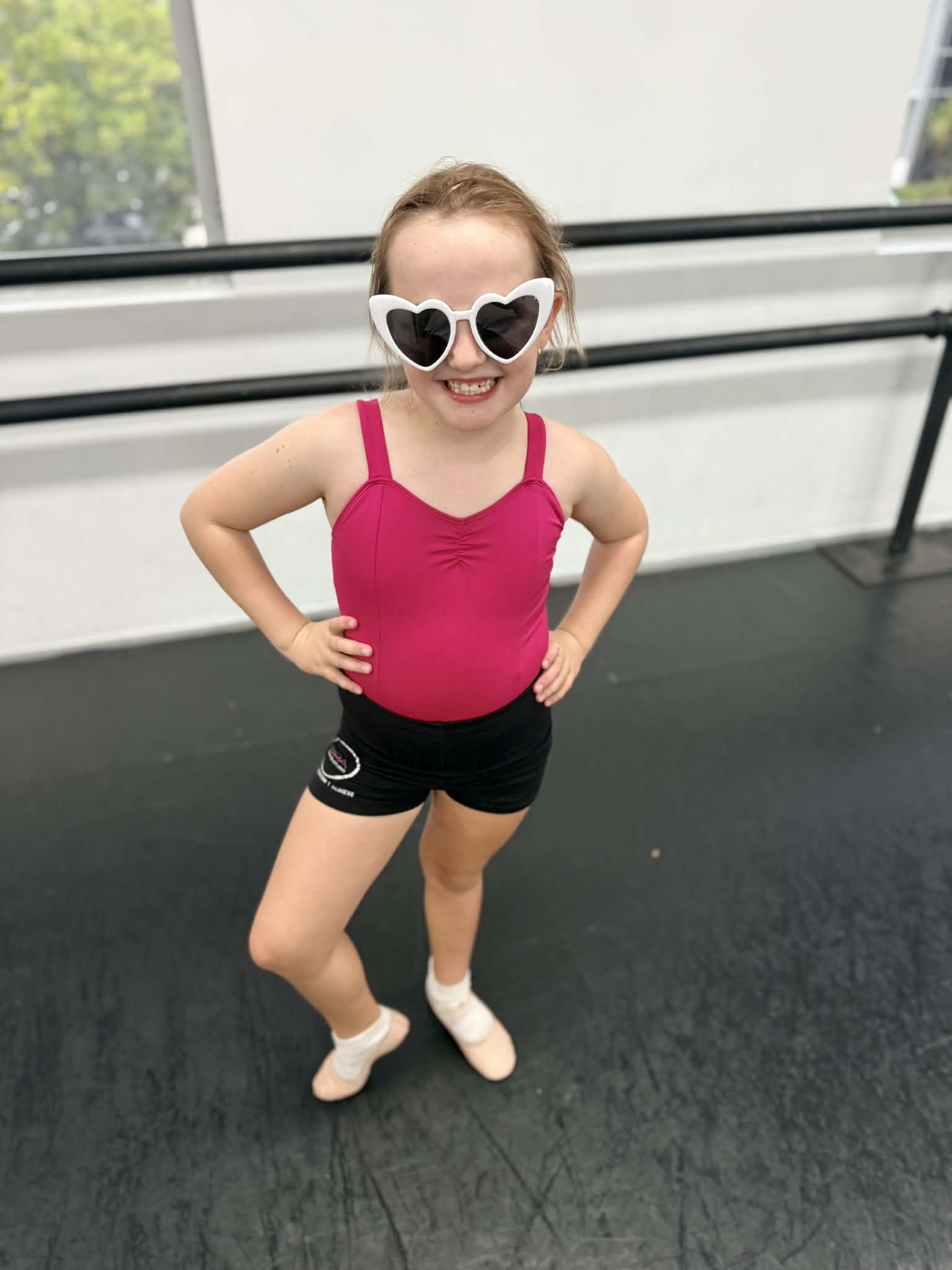
Why Is Dance So Beneficial for 7 to 9 Year Olds?
If your child is between 7 and 9, you are in a powerful stage of development. These years are often called middle childhood, and they are all about building competence, confidence, and connection.
So you might be asking:
Is dance actually helpful at this age?
Will it support their development or is it just a hobby?
Is this a good time to start or continue?
The short answer is yes. And here is why.
What Is Happening Developmentally at 7 to 9?
Children in this age range are:
Refining coordination and balance
Building strength and endurance
Expanding attention span and memory
Developing stronger peer awareness
Becoming more sensitive to comparison and self confidence
They want to feel capable. They want to improve at something. They are motivated by progress and recognition.
Dance aligns beautifully with all of this.
Does Dance Help With Physical Development?
Absolutely.
Between 7 and 9, children are developing more refined motor control. Dance challenges balance, coordination, timing, and body awareness all at once.
Through regular classes, children build:
Stronger core stability
Improved posture and alignment
Better bilateral coordination
Greater flexibility and mobility
Cardiovascular stamina
Because choreography requires precise control and repetition, it strengthens neuromuscular connections. In simple terms, the brain and body learn to work together more efficiently.
Can Dance Support Focus and Learning?
Yes, and this is often underestimated.
At this age, children are developing executive functioning skills. These include memory, self control, planning, and flexible thinking.
When learning choreography, they must:
Listen carefully
Remember sequences
Adjust spacing and timing
Apply corrections
Stay focused for extended periods
This directly strengthens working memory and concentration. Many parents notice improvements in listening skills and follow through outside of the studio as well.
What About Confidence?
This age can be tricky socially. Children begin comparing themselves to peers and may question their abilities.
Dance provides structured opportunities to experience success.
When a child masters a turn that once felt impossible, remembers an entire routine, or performs on stage, they experience visible progress. That sense of achievement builds genuine confidence, not surface level praise.
Dance also teaches resilience. Progress does not happen instantly. Children learn that practice leads to improvement.
Is Dance Good for Social Development?
Very much so.
Children aged 7 to 9 are learning how to cooperate, collaborate, and build friendships. Dance classes give them:
Team based learning
Shared performance goals
Constructive feedback in a supportive environment
A strong sense of belonging
They learn how to share space, encourage others, and contribute to a group outcome.
Is This a Good Age to Commit to Dance?
Yes. This stage is ideal for building foundations.
Children are physically ready for more structured technical training. They are cognitively capable of understanding corrections and refining skills. They are emotionally ready to work toward longer term goals.
Dance during these years is not just about steps. It is about developing capable, confident, and connected young people.
For 7 to 9 year olds, dance becomes a space where physical growth, brain development, friendship, and self belief all come together in one class.